The Therapy Gods Are Undefeated | Season One: Episode 3
I was expecting to see the word #TRIBUTES trending on Twitter. It was somewhere in the year of our LORD 2020 when the real possibility was that the Hunger Games would arrive at any moment. Indeed, Rachel Maddow would be scheduling the interview LIVE with Fauci, reporting the nerve-wracking selection process. I look for the positive in dealing with such chaos as this scenario. I am anxious about painfully dying from the sting of poison hornets. To relieve my panic attack, I have come to peace by deluding myself into the assumption that the government will supply me with a lifetime supply (insert the addictive substance of your choice here) to deal with PTSD once surviving. Like you, reading this now, we all put our highest hopes in the odds being forever in our favor during COVID-19. (insert Katniss Everdeen whistle noise here)
My friend Ruth and I are sending videos chatting about what would later become an essential tool for surviving the isolation of the pandemic: the Marco Polo app. These videos were the same as any, with me over-explaining and trying to process an image I saw in my head into complete sentences. Ruth is well seasoned at translating “Katie Speak,” having listened to my rants about ever-changing, vague ideas for over 15 years. She has become efficient enough to see her way through the weeds and my dramatic hand gestures. Ruth said, “Katie. I think you should read Big Magic by Liz Gilbert. She also did a podcast with this!”
The gist of the book is that we all have creative ideas. But it’s not our creative ideas’ job to support us, and it’s not their job to stay with us. Creativity chooses us. True creativity only flourishes when you can live a creative life without fear.
I immediately imagine my creative ideas arriving to me as lightning bugs, like what I saw when I was spending time at my granny’s house in Alabama on a warm evening. I like this imagery of creative ideas floating around the universe, of people making agreements within themselves, stirring their spirits to bring these new projects to life.
I was Liz Gilbert’s first Apostle spreading the word through two states. I read Big Magic within days. I also listened to her podcast – my ears binged both seasons in a day. I mailed a copy to my best friend Kafer in Kentucky and sent one to my mom. I’m Oprah, handing out cars, but my budget is two books via Amazon. YOU GET A BOOK! AND YOU GET A BOOK, TOO! Ok, that’s it. Enjoy.
The Big Magic podcast episodes featured a person struggling creatively. Liz would hear about their project or struggles, and then on the next episode, Liz would interview a well-known author, painter, or professional for advice on that particular story. One of her special guests to comment on an episode was Brené Brown. Me and Brene, or Aunt Brene, have a special relationship that I mention throughout my writings, so I’ll save the introduction for another time if you haven’t yet read those. In the episode, Aunt Brene spoke about how unused creativity is not benign; When we take on creativity, we are taking on Soul work. Our work is not about what we do but who we are. Doesn’t that sound just like Aunt Brene!? Gosh, I love her!
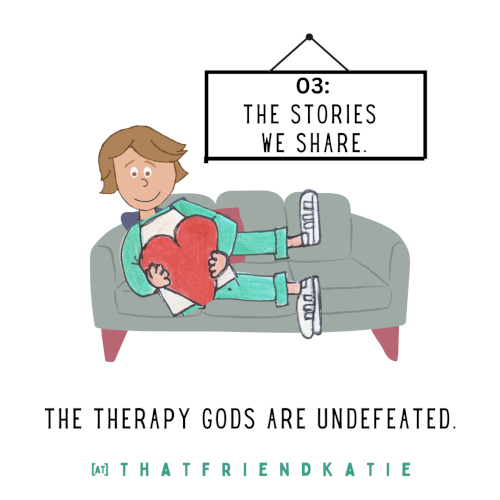
Aunt Brene said something that stuck with me as if she intentionally prepared her words in gorilla glue to stick eternally to my core. She spoke about how the stories we choose to share are not generous if they still need deep healing and resolution within ourselves. Her advice was not to share a story that doesn’t serve the work.
Around this period in my life, I had multiple folders and notes around different life experiences, such as short stories and drafted books about my dating, church gossip, marriage, upcoming divorce, infertility journey, and spirituality. In my free writing, I could hear the rants and anger when I would go back to read what I wrote; either the next day, weeks, or a few years, I could always sense the tension.
I will be the first to tell you that revealing my truth and protecting the privacy of all involved have been challenging skills to learn. I can now recognize my previous work as bitter and reckless reactions, a trauma response from being triggered. I thought I was passionately speaking my truth and soon realized there’s a difference between passion and intensity as if I were convincing you to join my upcoming riot. The irony is that I felt I was in the right to do so, which doesn’t lead to a healthy way forward. My writing came across as if I were Jean Valjean standing on top of a barricade, saying, ” Will you come and fight with me?” Umm, no, katie. Just because you type in a French accent with Colm Wilkinson’s energy doesn’t make your intentions to battle the injustices of the world the same. Since then, I have created a system.
- I give myself compassion by allowing myself to write anything I want at first- I spill all the tea, burn all the bridges, and send curses to (insert person here) ancestors in the afterlife. I need a dang rosary to just go through bead- by- bead as a way to release the bullshit that I am not saying – it has been more than a spiritual discipline.
- I made a deal with my creativity and promise to myself. I put in place my challenge network to look for how to strengthen the work and ensure it’s not only done with integrity, but to find the holes in my own bias. If an idea comes entrusted for me to develop that I could feel my soul’s purpose to bring to life, I will avoid posting anything until after checking with my crew.
- Another tip to help me in storytelling. I let events settle and see how the dots connect. The gossip and cheap shots get deleted quickly. For example, I had 748 words deleted from this first draft by the time of draft two revisions. What was once my ego-led narrative is now between me and the keyboard.
I write to serve the work, reminding us that life is messy.
The phrase: Don’t share a story that doesn’t serve the work transforms how I tell my story and hopefully keeps me focused on adding my voice to the more extraordinary landscape.
The humbling process of being a writer, explicitly writing about personal events, is that the impact and results of my work don’t have much to do with me. I am only in control of producing the work itself. Liz Gilbert encourages writers that the reaction doesn’t belong to them as the writer. It belongs to the reader, and everyone will have a different meaning or feeling that arises from joining in to listen. The work will speak for itself. Liz also creates the perfect analogy when discussing our writing failures or mistakes. She says you don’t need to conduct autopsies on your disasters. Chop up those failures and use them as bait to catch another project.
As I write this blog, I feel it necessary to acknowledge my weakness for misjudging my writing tone. My only aim is to enhance and accomplish that only by the work serving the work and not by pushing someone, figuratively, off a cliff. I am committed to growing in this space and turning my writing setbacks and public moments of struggle into learning opportunities and a persistent drive to get it right, eventually, over many years. I welcome any feedback on content and depth. I, unfortunately, find the science of grammar as confusing as math, so if you present a comma splice situation, it might keep being an error in all writings. I want to do this well, and I’d love any advice you can offer.